Build Daily Magic Without Writing Code
Today we dive into connecting smart home devices with no-code platforms to create daily routines that actually simplify living. You will see how visual builders, voice assistants, and cross-service connectors cooperate to wake you gently, secure the door, save energy, and remember chores. Bring curiosity, not scripts or syntax. Share your wins and questions so we can iterate together and make mornings easier, nights calmer, and days more intentional.
Start With Intent, Not Gadgets
Before connecting anything, map moments that matter: the stubborn crumbs of your day where attention leaks away. Identify wake-ups, departures, returns, workouts, meals, and bedtime rituals. Describe desired outcomes, emotions, and constraints. With clarity, every device and rule becomes purposeful rather than decorative. Post your shortlist in the comments; we will suggest triggers, guardrails, and clever pairings to transform intentions into dependable sequences you will actually keep using.
Voice-first routine creators
If you love speaking a quick command while multitasking, builders tied to assistants shine. They handle time schedules, presence, and gentle announcements well. But they may limit nested conditions. Share your favorite spoken cue and we will propose a concise, interruption-friendly flow that includes safety checks, respects quiet hours, and gracefully degrades when the internet stutters or microphones mishear early-morning mumbling.
Cloud connectors for everyday chores
When email, calendars, and to-do apps drive your day, pick a builder that bridges apps with home devices. Trigger lights from meeting status, pause the robot vacuum during calls, and switch ambience for focus sessions. Post your app stack and priority nuisance, and we will craft a tidy, low-maintenance bridge that avoids loops, rate limits, and notification overload while staying humanly understandable months from now.
Local hubs and resilient bridges
Homes with many sensors benefit from a local brain that keeps routines running even if clouds falter. Look for visual editors, presence detection, and scene support. Tell us about your network layout and signal trouble spots. We will suggest a practical hub strategy, including where to place repeaters, how to map rooms, and how to mix protocols without creating fragile, hard-to-debug routine chains.
Choose the Right Builder for Your Life
Not all visual automation tools behave the same. Some favor voice-first routines with simple triggers; others excel at chaining cloud services, calendars, and webhooks. Consider ease of use, local versus cloud execution, reliability, and integrations with your lights, locks, HVAC, and media. Ask in the comments which ecosystem you use now; we will recommend a builder that fits your devices, patience level, and ambitions without unnecessary complexity.
Link Devices Without Tears
Successful routines begin with clean connections. Organize accounts, name rooms clearly, and label devices in plain language anyone at home understands. Favor standards that reduce vendor lock-in and simplify onboarding. If something refuses to pair, breathe; we have troubleshooting steps. Comment with your device list and pain points, and we will propose a friendly linking plan that avoids duplicate entries and confusing shadows.
Account linking made understandable
Create a single home email for device management instead of scattering logins across personal inboxes. Enable two-factor authentication, archive setup codes, and document which services hold control. Share your current mess—or triumph—and we will help consolidate permissions, prevent accidental device deletion, and ensure everyone in your household has appropriate access without reckless admin privileges granting more power than routine maintenance needs.
Standards that reduce friction
Modern standards promise multi-platform control with less hassle. While marketing can oversimplify, consistent naming, room assignments, and clear categories still transform daily use. Describe your mix of bulbs, locks, sensors, and speakers. We will suggest a realistic migration path that preserves working setups, avoids costly re-buys, and positions your home to enjoy future updates without repetitive factory resets or weekend-long pairing marathons.
Fallbacks when clouds go quiet
Even reliable services have hiccups. Prepare gentle degradations: wall switches that still work, motion-triggered lights that run locally, and scheduled backups for critical actions like door locking. Tell us where failure would be maddening. We will design layered routines with local checks, offline timers, and post-recovery nudges, ensuring comfort doesn’t collapse because a server blinked or a temporary outage chose the worst moment.
From Triggers to Actions That Feel Natural
Think like a choreographer. Choose precise triggers—time, presence, location, sensors, or voice—then shape actions with delays, scenes, and conditions. Avoid brittle dependencies by including gentle checks. Share a routine you wish existed, and we will help translate it into a readable flow that balances ambition with reliability, respects privacy, and remains editable for the future you who forgets why step seven mattered.

Privacy, Safety, and Calm Confidence
Convenience should never outpace trust. Review permissions, minimize data sharing, and avoid broadcasting presence states beyond necessity. Build guest-friendly flows that keep people welcome while guarding locks and cameras. If anxiety rises when automations misfire, pause and reassess. Ask questions below about tokens, roles, or logs; we will help design comfortable boundaries that let your home feel kind, private, and reliably yours.
Scenes, Context, and Seasonal Intelligence
Great routines adapt. Use scenes to capture lighting, temperature, and media moods, then let context pick the right one. Folding in calendar events, weather, and sunrise shifts prevents jarring experiences. Comment with your seasonal frustrations—dark winters, pollen spikes, heat waves—and we will propose graceful adaptations that keep comfort high and bills sensible without you babysitting sliders or drilling into obscure settings each month.

Stories From Real Rooms
Practical anecdotes reveal tiny details checklists miss. A parent set a weekday launch sequence that nudges kids with gentle hallway lights, breakfast music, and a backpack reminder. A night-shift nurse tuned sleep scenes to silence deliveries. Share your situation below, and we will suggest a clear starter routine, then invite you back after a week to iterate with observations and small insights.
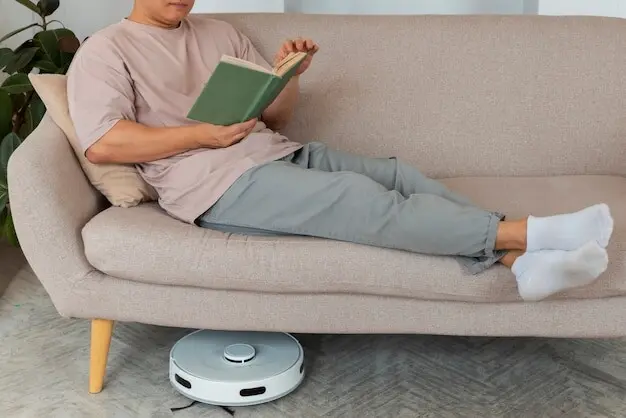
A compact apartment finds balance
In a studio, every action echoes. We paired a motion sensor with a narrow light scene, muted notifications after 9 p.m., and toggled a desk lamp to indicate heads-down focus. The resident reported calmer evenings within days. Offer your square footage, lamp count, and noise sensitivity; we will propose similarly gentle flows that respect neighbors, attention spans, and late-night creativity without harsh interruptions.

A busy household gains smoother handoffs
A family of four battled forgotten chores and chaotic departures. We mapped a leaving checklist: lock confirmation, garage nudge, and thermostat eco-shift tied to the last phone exiting. Kids earn celebratory lights for completing tasks. If anyone returns, comfort restores softly. Tell us your recurring friction, and we will tailor accountable yet kind routines that reduce reminders while growing shared confidence and calm.
All Rights Reserved.